When was the last time you thought about your gut bacteria while eating chicken breast? I am guessing never. Most people treat protein like a math problem. Eat 150 grams, hit your target, build muscle. But what if I told you that a significant portion of your dietary protein never reaches your muscles because your gut microbiome decides how much gets absorbed? That the bacteria living in your intestines are actively involved in breaking down amino acids, producing metabolites that influence inflammation, and even sending signals that affect muscle protein synthesis? You would probably look at your plate differently. You should.
The gut-muscle axis is real, and it is changing how sports nutritionists think about protein requirements. For decades, we focused on total intake and leucine content. Those still matter. But emerging research shows that gut health modulates how efficiently your body uses the protein you consume. A 2019 review in the journal Nutrients highlighted that gut bacteria ferment undigested protein in the colon, producing branched-chain fatty acids and other metabolites that can either support or impair metabolic health depending on the bacterial profile. An imbalanced microbiome, often caused by low fiber intake, high stress, or excessive antibiotic use, can increase protein fermentation in ways that produce harmful metabolites rather than supporting muscle recovery.
Here is the practical implication. You could be eating 180 grams of protein per day, but if your gut is inflamed, your absorption is compromised, and a meaningful percentage of those amino acids is being wasted. I have seen this in clients who eat plenty of protein but have chronic bloating, irregular bowel movements, or unexplained fatigue. Their blood work looks fine. Their training is consistent. But their gut is not breaking down and absorbing protein efficiently. We fix the gut, and suddenly their recovery improves, their strength jumps, and they actually feel the difference from their nutrition.
Fiber is the bridge between protein and gut health. I wrote about fibermaxxing earlier this year, and I stand by every word. Fiber feeds beneficial bacteria like Bifidobacterium and Lactobacillus, which produce short-chain fatty acids that reduce intestinal inflammation and improve nutrient absorption. When your gut lining is healthy, amino acids cross into the bloodstream more efficiently. When it is damaged, a condition sometimes called leaky gut, larger protein fragments can pass through and trigger immune responses that increase systemic inflammation. Inflammation is catabolic. It impairs muscle protein synthesis and extends recovery time. You do not want catabolic inflammation when you are trying to build muscle.
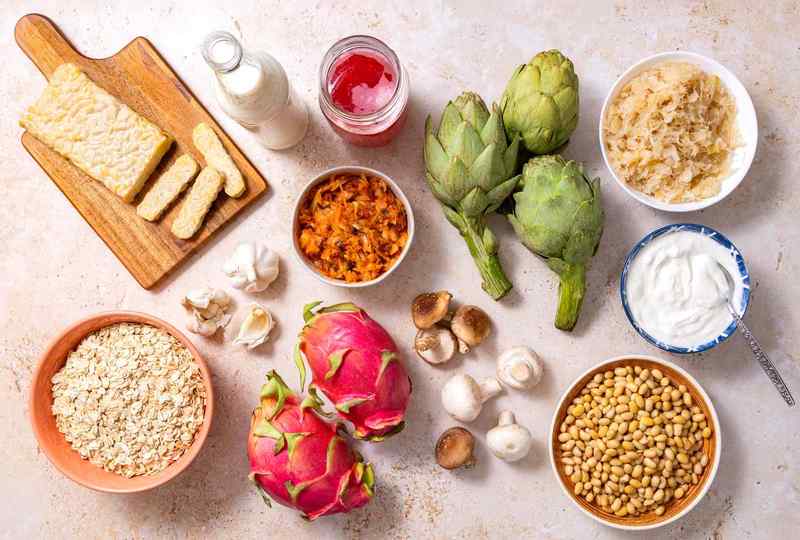
So what does a gut-friendly, muscle-building diet look like? It is not complicated. You need adequate protein from diverse sources. You need 25 to 35 grams of fiber daily from whole grains, legumes, fruits, and vegetables. You need fermented foods like yogurt, kefir, sauerkraut, or kimchi to introduce beneficial bacteria. And you need to limit unnecessary antibiotics, excessive alcohol, and ultra-processed foods that disrupt microbial balance. I tell my clients to think of their gut as a garden. Protein is the fertilizer, but fiber is the water and fermented foods are the seeds. You need all three.
| Gut-Friendly Protein Source | Protein (g per 100g) | Fiber (g) | Fermented / Probiotic |
|---|---|---|---|
| Greek yogurt | 10 | 0 | Yes |
| Lentils (cooked) | 9 | 8 | No |
| Tempeh | 19 | 9 | Yes |
| Kefir | 3.4 | 0 | Yes |
| Chickpeas (cooked) | 9 | 7.6 | No |
| Cottage cheese | 11 | 0 | Yes (some varieties) |
| Edamame | 11 | 5 | No |
Plant proteins deserve special mention here because they arrive packaged with fiber. When you eat lentils, chickpeas, or tempeh, you are getting protein plus prebiotic fiber in the same bite. That fiber feeds your gut bacteria, which then help metabolize the amino acids more effectively. Animal proteins are more bioavailable in isolation, but they contain zero fiber. This is why I encourage clients to rotate sources. Have eggs for breakfast, lentils for lunch, chicken for dinner. The variety supports both muscle protein synthesis and microbial diversity. Both matter.
There is also a timing angle that most people ignore. Eating a huge protein meal when your gut is inflamed or your digestion is sluggish is like pouring water into a leaky bucket. Some of it gets through. A lot does not. I have had clients who felt better simply by splitting their protein into smaller, more frequent meals while their gut healed. Four meals of 35 grams often outperforms two meals of 70 grams when absorption is compromised. Once gut health improves, you can return to larger meals without issue. The body adapts, but you need to give it the right conditions.
Supplements can help, but they are not the foundation. A basic probiotic with multiple strains can support microbial diversity during periods of stress or dietary change. Digestive enzymes may help if you have low stomach acid or feel heavy after protein meals. But neither replaces a diet rich in whole foods and fiber. I take a probiotic when I travel because airplane food and schedule disruptions wreck my gut. At home, I eat yogurt and vegetables and let my microbiome handle itself. That is the long game.
The gut-muscle axis is still an emerging field. We do not have all the answers yet. But what we do know is clear: gut health influences protein absorption, inflammation, and recovery. If you are eating plenty of protein but not seeing results, look downstream. Your muscles are not the problem. Your gut might be. Fix the garden, and the plants will grow.
Frequently Asked Questions
Does gut health affect protein absorption?
Yes. An imbalanced microbiome or inflamed gut lining can reduce amino acid absorption and increase waste. Supporting gut health with fiber and fermented foods improves protein utilization.
What is the best protein for gut health?
Plant proteins like lentils, chickpeas, and tempeh provide protein plus fiber that feeds beneficial bacteria. Fermented dairy like yogurt and kefir also support gut health while delivering high-quality protein.
Can too much protein damage your gut?
Excessive protein with insufficient fiber can shift bacterial fermentation toward harmful metabolites. Balance high protein intake with 25–35 grams of daily fiber from whole foods.
Should I take digestive enzymes with protein?
If you experience bloating or heaviness after protein meals, a broad-spectrum digestive enzyme may help. For most healthy individuals, whole-food protein sources are adequately digested without supplementation.
How long does it take to improve gut health for better protein absorption?
Meaningful changes in microbiome composition typically require 4–8 weeks of consistent dietary changes, including increased fiber, fermented foods, and reduced ultra-processed intake.
When was the last time you ate a meal that contained both protein and fiber, and actually noticed how your stomach felt afterward? Most people never make that connection.