Stop relying on airport pretzels and hotel breakfast pastries. If you travel for work more than twice a month and you care about your protein intake, you need a system. Not a hope. Not a "I will figure it out when I get there." A system. Because airports, conference centers, and highway rest stops are protein deserts designed to sell you carbs, sugar, and regret. I travel for competitions and consultations regularly, and I have made every mistake possible. I have eaten gas station beef jerky that tasted like salted cardboard. I have paid eighteen dollars for a hotel salad with four grams of protein. I have skipped meals because nothing available fit my macros and then overeaten at dinner because I was starving. Those days are over. Here is what actually works.
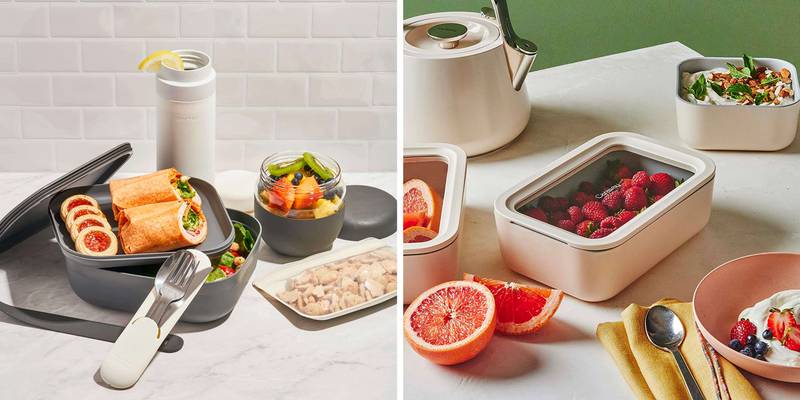
First, pack your first day. Do not board a plane or hit the highway without at least two pre-made protein sources. Hard-boiled eggs, protein bars with at least 20 grams, individual whey packets, beef jerky from a brand you trust, and single-serving nut butter packs are all TSA-friendly if you are flying. I bring a small cooler bag with six eggs, two protein bars, and a shaker bottle with a scoop of whey already inside. That covers my first twelve hours regardless of what the travel gods throw at me. Delayed flight? No problem. Traffic jam? I am eating eggs in the car like a champion.
Second, know your airport protein map. Every major airport has at least one option that is not terrible. Starbucks has egg bites with 19 grams of protein. Most airports now have a salad place where you can add grilled chicken or salmon. Some have actual restaurants with omelet stations if you have time. The key is knowing where they are before you are starving and staring at a Cinnabon. I use airport maps on my phone and search for "grilled" or "eggs" in the dining section. It takes five minutes and saves me from a 900-calorie sugar bomb that contains six grams of protein and a lifetime of shame.
Third, the hotel room is your kitchen. I do not care if you are in a Motel 6 or a Marriott. Every hotel room has a mini-fridge, and most have a microwave. Stop treating the hotel like a restaurant and start treating it like a base camp. On arrival, I find the nearest grocery store and buy Greek yogurt, cottage cheese, pre-cooked chicken breast, microwaveable rice cups, and baby carrots. Total cost is usually under twenty-five dollars and covers two days of breakfast and snacks. The hotel breakfast buffet is a trap. The scrambled eggs are made from powder, the bacon is 80 percent fat, and the pastries are everywhere. Skip it. Eat yogurt in your room like an adult.
| Travel Scenario | Protein Source | Protein (g) | Cost Estimate |
|---|---|---|---|
| Airport breakfast | Starbucks egg bites | 19 | $6 |
| Gas station stop | Beef jerky (1 oz) | 9 | $3 |
| Hotel room snack | Greek yogurt (170g) | 17 | $2 |
| Fast food emergency | Grilled chicken sandwich (no bun) | 30 | $5 |
| Restaurant dinner | Grilled salmon (6 oz) | 34 | $18 |
| Shake fallback | Whey protein (1 scoop) | 25 | $1.50 |
Fourth, restaurant strategy matters. When you eat out, you are playing a game where the house wants you to order the pasta. Do not order the pasta. Look at the menu online before you arrive. Find the protein. Grilled fish, steak, chicken breast, or a burger without the bun. Ask for double vegetables instead of fries. Order a side salad. Most restaurants will accommodate simple substitutions if you ask politely. I have never had a server refuse to swap fries for broccoli. They might look confused, but they will do it. Your abs are worth the awkwardness.
Fifth, shakes are your travel insurance. I bring a zip-lock bag with five scoops of whey isolate and an empty shaker bottle. If I am stuck in a meeting that runs through lunch, I mix a shake in the bathroom and drink it in thirty seconds. Is it elegant? No. Does it deliver 25 grams of protein and keep me from making bad decisions at the dinner buffet? Absolutely. Whey is lightweight, does not spoil, and mixes with water. It is the most reliable protein source on earth, and it fits in a sock if necessary. I am not kidding. I have transported protein in a sock.
The mental game of travel nutrition is harder than the logistics. You are out of routine. You are tired. You are surrounded by people who do not care about macros and want to get drinks at the hotel bar. The social pressure is real. I have learned to set my protein target as a non-negotiable minimum and let everything else flex. If I hit 120 grams of protein, I do not stress about the exact carb or fat count. Travel is not the time to cut aggressively. It is the time to maintain. Give yourself permission to be 80 percent compliant instead of demanding perfection and ending up at zero percent because you gave up after one bad meal.
My last tip is about hydration, which most travelers ignore. Flying dehydrates you. Dehydration impairs protein synthesis and increases cortisol. Drink water on the plane. Bring an empty bottle through security and fill it. Aim for three liters daily while traveling. Yes, you will use the bathroom more. Yes, the person in the aisle seat will hate you. Your muscles will thank you, and the aisle person will survive.
Travel does not have to derail your nutrition. It requires planning, flexibility, and the willingness to look slightly ridiculous eating hard-boiled eggs in a rental car. I have done it. You can do it. Your protein target is portable. Take it with you.
Frequently Asked Questions
Can you bring protein powder on a plane?
Yes. Whey or plant protein powder is allowed in carry-on bags. TSA may ask to inspect containers over 12 ounces, so single-serving packets or small zip-lock bags are easiest.
What is the best high-protein fast food option?
Grilled chicken sandwiches or bowls without heavy sauces are usually best. Remove the bun or ask for a lettuce wrap to save calories for more protein.
How do you track macros while traveling?
Use a tracking app and estimate portions visually. Aim for protein first, then approximate carbs and fat. Perfect accuracy is impossible on the road; consistency matters more than precision.
Should you bring protein bars or powder?
Both. Bars are convenient for solid food cravings. Powder is lighter, cheaper per gram, and mixes easily. A combination covers most travel scenarios.
How do you eat enough protein at a hotel breakfast?
Skip the buffet pastries. Look for eggs, yogurt, or oatmeal with nuts. If options are poor, eat the protein available and supplement with a shake from your room.
What is the worst travel nutrition mistake you have ever made? Mine involved a Cinnabon and a three-hour flight delay. I still remember the sugar crash.