Three years ago, I sprained my ankle so badly that the orthopedist told me to stop squatting for six months. I did not stop. I modified. I elevated my heel. I reduced the load. I kept training because the idea of not squatting felt worse than the pain. But here is what I did not expect: my recovery accelerated when I increased my protein intake by 40 grams per day. Not because protein heals ligaments directly. Because protein modulates inflammation, and inflammation was the thing keeping me swollen, stiff, and stalled. That ankle injury taught me something that no textbook emphasized. Protein is not just for building. It is for rebuilding, and rebuilding requires controlling the inflammatory response.
Inflammation gets a bad rap. People think it is evil. It is not. Acute inflammation is necessary. When you tear a muscle fiber during training, inflammatory signals recruit immune cells that clean up damaged tissue and initiate repair. Without inflammation, recovery does not start. The problem is chronic inflammation, the low-grade systemic kind that persists when acute damage has already been resolved. This is the inflammation that keeps you sore for five days after leg day, that makes your joints ache in the morning, that slowly erodes your recovery capacity over time. Chronic inflammation is catabolic. It elevates cortisol, impairs MPS, and increases muscle protein breakdown. You do not want chronic inflammation.
Protein helps regulate this balance. Amino acids, particularly the BCAAs and specifically leucine, influence inflammatory signaling pathways. Research from the Journal of Nutrition showed that adequate protein intake was associated with lower circulating levels of C-reactive protein, a marker of systemic inflammation. Omega-3 rich proteins like salmon and sardines add an additional anti-inflammatory layer through EPA and DHA. But even lean chicken and eggs appear to support a healthier inflammatory profile compared to low-protein diets high in refined carbohydrates. The mechanism is not fully understood, but the correlation is consistent across populations.
Glycine, an amino acid abundant in collagen and connective tissue, also plays an anti-inflammatory role. It acts as a regulator of macrophage activity, helping to resolve inflammation rather than prolonging it. This is one reason I recommend bone broth or collagen supplementation during injury recovery. It is not just about the structural proteins. It is about the signaling. When I increased my protein during that ankle rehab, I was not just feeding my muscles. I was providing the raw materials my immune system needed to resolve the inflammatory phase and transition into repair.
The practical application is straightforward but underutilized. When you are injured, most people rest and eat less because they are not training. This is backwards. Injury recovery is when protein needs increase, not decrease. Tissue repair requires amino acids. Immune function requires amino acids. Collagen synthesis requires glycine and proline. If you drop your protein because you are not lifting, you are starving the very process that would get you back to lifting. I tell injured clients to maintain or even increase protein intake while reducing calories from carbs and fat if necessary. Protect the protein. Everything else can flex.
| Recovery Phase | Protein Target (g/kg) | Key Amino Acids | Best Sources |
|---|---|---|---|
| Normal training | 1.6–2.0 | Leucine | Chicken, whey, eggs |
| Acute injury (0–2 weeks) | 2.0–2.4 | Leucine, glycine | Whey, bone broth, fish |
| Post-surgery | 2.0–2.4 | All essential AA | Whey, eggs, meat, dairy |
| Overtraining / chronic soreness | 2.0–2.2 | Leucine, omega-3 | Salmon, whey, eggs |
| Return to sport | 1.8–2.2 | Leucine | Mixed animal sources |
Chronic soreness is another signal that inflammation is not resolving properly. If you are still sore from Monday's workout on Thursday, your inflammatory response is dragging. This could be due to insufficient protein, poor sleep, excessive training volume, or all three. I see this most often in clients who undereat protein while doing high-frequency programs like squatting every day. The training stimulus is fine. The recovery substrate is not. Bump protein by 20 grams, add a rest day, and watch soreness drop from five days to two. It is not magic. It is biochemistry.
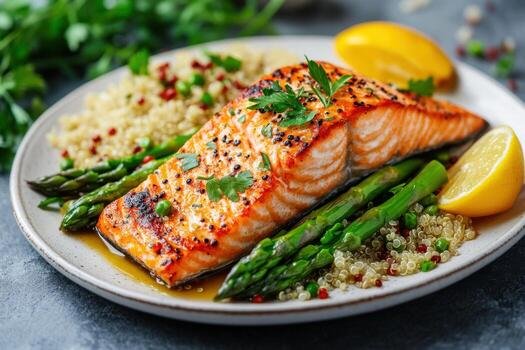
Omega-3 fatty acids deserve mention here because they work synergistically with protein. Fatty fish like salmon and mackerel provide both high-quality protein and anti-inflammatory fats. If you are dealing with chronic soreness or recovering from injury, swapping chicken for salmon two to three times per week is a simple upgrade. I do not think fish oil supplements are mandatory, but they are a reasonable addition if you do not eat fatty fish regularly. The combination of adequate protein plus omega-3s creates a recovery environment that is fundamentally different from a low-protein, high-inflammatory diet.
There is also a gut-inflammation connection that loops back to what I wrote earlier about the microbiome. Poor gut health increases systemic inflammation through lipopolysaccharide leakage. Adequate protein, especially from diverse sources including fermented foods, supports gut barrier integrity. A stronger gut barrier means less systemic inflammation. Less systemic inflammation means better recovery. Everything is connected. You cannot optimize one system in isolation and expect the whole machine to run smoothly.
My ankle healed in four months instead of six. I attribute a significant portion of that to the protein increase, the collagen supplementation, and the stubborn refusal to let inflammation become chronic. Your body wants to heal. It needs the right materials. Protein is one of those materials, and its role in inflammation control is the piece that most recovery protocols miss.
Frequently Asked Questions
Does protein reduce inflammation?
Adequate protein intake is associated with lower markers of chronic inflammation like C-reactive protein. Specific amino acids like glycine and leucine play roles in resolving inflammatory responses.
Should you eat more protein when injured?
Yes. Injury recovery increases protein needs to 2.0–2.4 grams per kilogram to support tissue repair, immune function, and collagen synthesis. Do not reduce protein just because training stops.
What is the best protein for injury recovery?
Whey protein for its leucine content, collagen or bone broth for glycine and connective tissue support, and fatty fish for combined protein and anti-inflammatory omega-3s.
Can too much protein cause inflammation?
Not directly. However, excessive protein with insufficient fiber can alter gut bacteria in ways that increase inflammatory markers. Balance is key.
How does chronic inflammation affect muscle growth?
Chronic inflammation elevates cortisol and impairs muscle protein synthesis. It extends recovery time and can lead to persistent soreness, stalled strength, and muscle loss over time.
How many days of soreness do you consider normal, and have you ever tried increasing protein to see if that number changes?