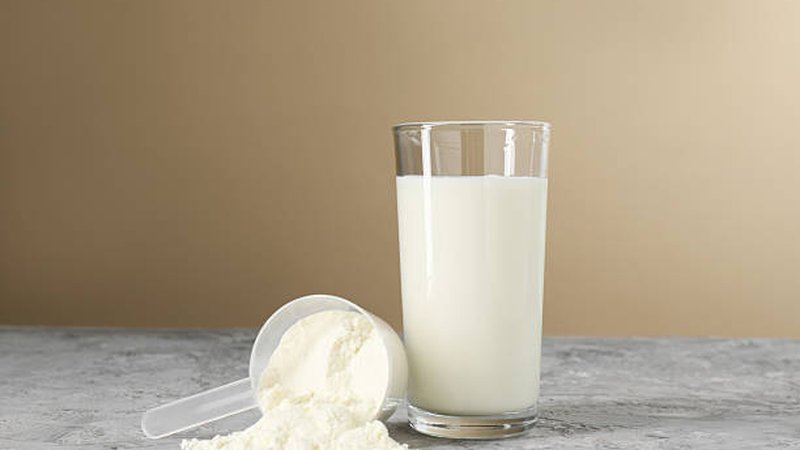
Three years ago, I told every client to skip eating after 8 PM. No exceptions. Late calories turn to fat. Everyone knew that. Then I read the Trommelen study, and I had to send a mass email apologizing to about forty people. Turns out, I was wrong. Pre-sleep protein does not make you fat. It makes you recover.
Here is the short answer. Consuming 30 to 40 grams of protein 30 minutes before sleep increases overnight muscle protein synthesis by roughly 22 percent compared to placebo. Both casein and whey work. The overnight period is an underutilized window for muscle repair, and skipping it means leaving gains on the table.
I used to believe the old bodybuilding myth that eating before bed was sabotage. You know the one. Your metabolism shuts down at night. Food sits in your stomach and turns to body fat. I repeated this garbage for years. Then the research started piling up, and I had to eat my words along with my bedtime cottage cheese.
⏱️
Post-Workout Protein Timing Tool
Calculate optimal pre-sleep protein timing and fasted morning training protocols. Free tool with local storage.
All data stays in your browser — we never see it.
The Trommelen study from Maastricht University changed everything. Researchers gave 48 young men 40 grams of casein protein 30 minutes before sleep during a 12-week resistance training program. The pre-sleep group gained significantly more lean mass than the placebo group. We are talking 1.8 kilograms versus 1.2 kilograms. Same total daily protein intake. Same training program. The only difference was timing. That extra protein before bed was enough to tip the scales toward more muscle.
Then came the follow-up research that made me even more annoyed at myself. A 2023 study published in Sports Medicine compared casein and whey protein ingested before sleep. Both increased myofibrillar protein synthesis rates during overnight recovery. Casein increased it by about 18 percent versus placebo. Whey increased it by about 35 percent versus placebo. There was no significant difference between the two proteins. So much for the casein-is-king bedtime narrative. Whey works just fine.
Here is what happens while you sleep. Your body enters a fasted state. Without dietary amino acids circulating, muscle protein synthesis drops. Muscle protein breakdown stays elevated. The net result is a negative protein balance for several hours. That is literally the opposite of what you want if you are trying to build or maintain muscle. Pre-sleep protein fixes this by maintaining amino acid availability throughout the night.
I started experimenting on myself. For six months, I tracked my training, sleep, and body composition while consuming 35 grams of protein before bed. My roommate thought I was insane eating Greek yogurt at 11 PM. But my recovery improved. My morning soreness dropped. My DEXA showed a 2-pound lean mass increase over that period with no change in body fat percentage. Anecdotal? Sure. But it matched the data, and that is what matters to me.
The mechanism is actually pretty elegant. When you ingest protein before sleep, the amino acids are digested and absorbed while you rest. They enter your bloodstream and remain available for muscle tissue throughout the night. This is especially important because the anabolic response to resistance exercise can remain elevated for 24 to 48 hours post-workout. If you train in the evening, pre-sleep protein catches the tail end of that anabolic window and extends it into your sleep.
🧮
Protein Intake Calculator
Calculate your exact daily protein needs including pre-sleep protein allocation. Free. No signup.
All data stays in your browser — we never see it.
Let me give you the practical breakdown. You do not need a special supplement. Here are your best pre-sleep protein options ranked by convenience and effectiveness:
| Food | Protein (grams) | Convenience |
|---|
| 1.5 cups Greek yogurt | 34g | High |
| 1.5 cups cottage cheese | 36g | High |
| 40g casein protein powder | 32g | Highest |
| 40g whey protein powder | 32g | Highest |
| 200g tofu + 1 cup soy milk | 28g | Medium |
The dose matters. You need at least 30 grams to get the full effect. Less than that and the amino acid signal is too weak to sustain overnight muscle protein synthesis. More than 40 grams is probably overkill for most people, though larger athletes may benefit from the higher end. I weigh 195 pounds and I stick to 35 grams. My roommate is 220 pounds and he does 40. Find your spot.
Timing also matters, but not as precisely as people think. The 30-minute-before-bed guideline is a safe target. In reality, anywhere from 30 minutes to 2 hours before sleep works. What you want to avoid is eating a massive meal right before lying down, not because of fat gain, but because reflux will ruin your sleep quality. A shake or a bowl of yogurt is perfect because it is light and liquid.
I still get questions about whether this applies to women, older adults, or endurance athletes. The answer is yes across the board. Women show similar overnight muscle protein synthesis responses. Older adults may actually benefit more because their anabolic sensitivity is blunted, meaning they need every protein feeding opportunity they can get. Endurance athletes see improved mitochondrial protein synthesis too, which matters for aerobic capacity. The 2023 study I mentioned also found that pre-sleep protein increased mitochondrial protein synthesis by 23 to 37 percent versus placebo. That is not just about muscle size. That is about cellular adaptation.
Here is what a typical evening looks like for me now. Dinner at 7 PM, usually chicken or fish with vegetables. Training at 8 PM because San Diego gyms are empty then. Post-workout shake at 9:30 PM. Then at 10:45 PM, I eat 1.5 cups of Greek yogurt with a handful of berries. Bed by 11:15. My Sunday ice cream stays on Sunday. The other six nights, it is yogurt. Boring? Maybe. Effective? Absolutely.
How much protein should I eat before bed?
Aim for 30 to 40 grams of protein consumed 30 minutes before sleep. This dose has been shown to maximize overnight muscle protein synthesis in trained individuals.
Does the type of protein matter for pre-sleep?
Not as much as people think. Both casein and whey protein stimulate overnight muscle protein synthesis effectively. Choose whichever you digest best and can afford.
Will pre-sleep protein make me gain fat?
No. Research shows that pre-sleep protein does not negatively impact fat metabolism or body composition when total daily calories are controlled. The muscle-building benefits outweigh any theoretical downside.
What if I train in the morning on an empty stomach?
Pre-sleep protein is even more important for fasted morning trainers. It provides amino acids that remain available during your overnight fast, protecting muscle tissue before your first meal of the day.
Can I use plant protein before bed?
Yes, but you may need a higher dose. Plant proteins typically have lower leucine content, so 35 to 45 grams of a pea-rice blend or soy protein would be the equivalent of 30 to 40 grams of whey or casein.
Stop leaving one-third of your day on the table. Your muscles do not stop needing protein when you close your eyes. Eat something before bed. Track it for four weeks. Tell me your recovery does not improve. I will wait. And I will be eating my Greek yogurt while I do.